Hungary is a country where history, culture, architecture, tradition, and nature come together in a remarkably beautiful way. Located in the heart of Central Europe, Hungary may not be one of the largest countries on the continent, but it is filled with unforgettable places, fascinating stories, welcoming traditions, and landscapes that reward anyone willing to explore beyond the famous cities.
From the grand streets of Budapest to peaceful villages, from thermal lakes and winding rivers to forests and rolling hills, Hungary offers something for every kind of traveler.
Budapest: The Heart of Hungary
Any journey through Hungary naturally begins in Budapest, the country’s capital and one of Europe’s most beautiful cities.
The Danube River divides the city into two historic sides: Buda and Pest. Buda is known for its hills, historic Castle District, and spectacular views, while Pest is lively, elegant, and filled with cafés, restaurants, museums, shops, and impressive buildings.
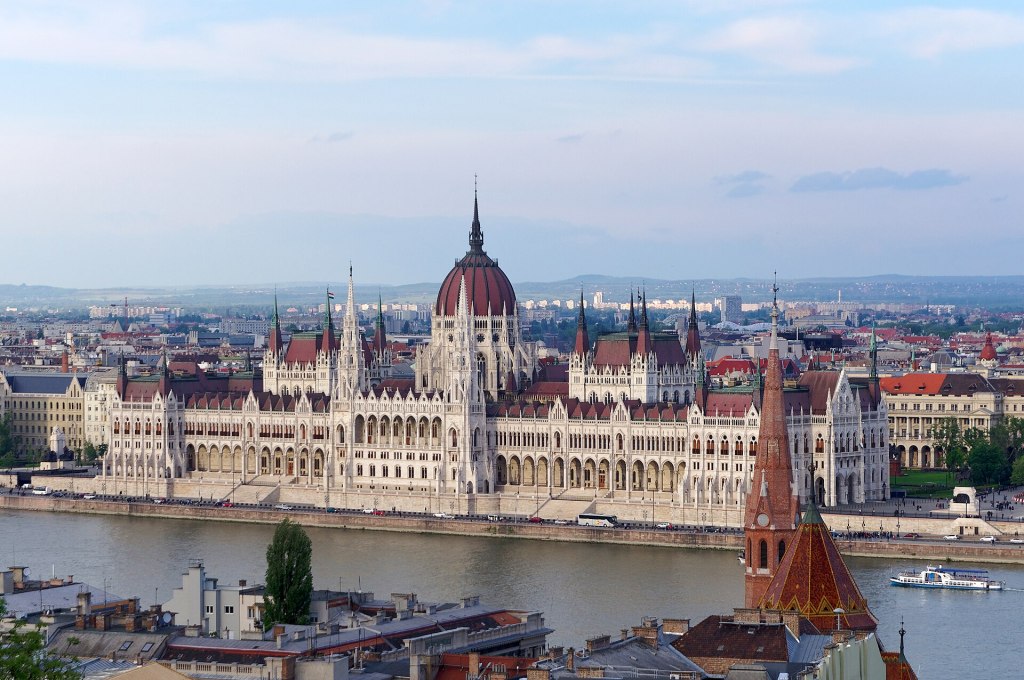
The Hungarian Parliament Building stands proudly beside the Danube and has become one of the country’s most recognizable landmarks. Walking along the river in the evening, when the city’s buildings and bridges are illuminated, is an experience that stays with you.
Budapest is also famous for its thermal baths. The city’s long tradition of thermal bathing makes it possible to spend a relaxing afternoon surrounded by beautiful historic architecture while enjoying naturally warm mineral-rich waters.
Lake Balaton: Hungary’s Inland Sea
Beyond Budapest lies one of Hungary’s greatest natural treasures: Lake Balaton.
Often called the “Hungarian Sea,” Lake Balaton is Central Europe’s largest lake. During summer, its shores become a popular destination for swimming, sailing, cycling, hiking, relaxing, and enjoying the countryside.
The northern shore is particularly beautiful, with the Balaton Uplands rising behind the lake. Vineyards, small villages, volcanic hills, forests, and panoramic viewpoints make this region perfect for travelers who enjoy nature.
The Tihany Peninsula is another special place. From its higher ground, you can look across the blue waters of Lake Balaton and watch the landscape change with the seasons.
The Hungarian Great Plain
To experience a completely different side of Hungary, travel east toward the Great Plain, known as the Puszta.
This vast landscape is characterized by open grasslands, wide horizons, traditional farms, wetlands, and a strong connection to Hungary’s rural heritage.
One of the best places to experience this environment is Hortobágy National Park. The park is famous for its traditional pastoral culture and extraordinary wildlife.
The enormous skies and seemingly endless grasslands create a feeling of freedom that is difficult to find in a busy modern city.
Here, travelers may encounter traditional Hungarian horsemen, known as csikós, as well as cattle, sheep, birds, and other wildlife.
Hungary’s Forests and Mountains
Hungary is sometimes imagined as entirely flat, but the country also has beautiful hills and mountains.
The northern parts of Hungary contain some of the country’s most impressive forest landscapes. The Bükk and Mátra mountains provide opportunities for hiking, cycling, wildlife watching, and simply escaping into nature.
During autumn, these forests become especially beautiful as the leaves turn shades of gold, orange, and red.
For hikers, Hungary offers trails through forests, valleys, hills, and peaceful countryside. Some routes lead to lookout points where the surrounding landscape stretches for miles.
The Danube: A River That Connects Hungary
The Danube is much more than a river flowing through Budapest. It is one of the defining geographical features of Hungary.
Traveling along the Danube reveals historic towns, forests, islands, wetlands, and picturesque countryside.
The Danube Bend, north of Budapest, is particularly spectacular. The river curves dramatically through the landscape, surrounded by wooded hills and historic settlements.
Towns such as Visegrád and Esztergom provide opportunities to combine history with nature. You can spend the morning exploring historic sites and the afternoon walking through forests or enjoying views over the river.
Hungary’s Wildlife
Hungary’s natural environment supports a surprising variety of wildlife.
Bird lovers will find wetlands and protected areas particularly rewarding. The country’s national parks provide habitats for herons, cranes, storks, eagles, and many other bird species.
The wetlands of Hortobágy are especially important for migratory birds. During migration seasons, the skies can become filled with thousands of birds traveling between their breeding and wintering grounds.
Hungary’s forests are also home to deer, wild boar, foxes, and other woodland animals.
Nature here does not always announce itself dramatically. Sometimes the beauty is simply in sitting quietly beside a river, walking through a forest, or watching birds cross a wide evening sky.
Hungarian Villages and Rural Life
One of the best ways to understand Hungary is to leave the major cities behind.
Small villages offer a slower pace of life and a glimpse into traditions that have survived through generations. Traditional houses, gardens, churches, local markets, and family-run businesses can still be found throughout the countryside.
Hollókő is particularly famous for preserving traditional village architecture and cultural heritage. Walking through its streets can feel like stepping into another period of Hungarian history.
Hungarian Food
Hungarian culture cannot be discussed without mentioning food.
Hungarian cuisine is hearty, flavorful, and strongly connected to family and tradition.
Some well-known dishes include:
– Goulash (gulyás) – a traditional soup or stew associated with Hungarian cuisine.
– Chicken paprikash – chicken prepared with paprika and a rich sauce.
– Lángos – fried flatbread commonly enjoyed with toppings such as sour cream and cheese.
– Fisherman’s soup – a spicy fish soup traditionally prepared with paprika.
– Stuffed cabbage – cabbage leaves filled with seasoned meat and rice.
– Dobos torte – a famous Hungarian layered cake.
– Somlói galuska – a beloved Hungarian dessert made with sponge cake, chocolate sauce, walnuts, and cream.
Hungarian paprika is one of the country’s most recognizable culinary ingredients, giving many traditional dishes their distinctive color and flavor.
Hungarian Wine and Vineyards
Hungary also has a long wine-making tradition.
Regions such as Tokaj, Eger, and Villány are well known for their vineyards and distinctive wines.
Tokaj in particular has an extraordinary reputation for its sweet wines, while other regions produce a wide variety of red and white wines.
Visiting a Hungarian vineyard can be about much more than tasting wine. It is an opportunity to experience rural landscapes, local traditions, old cellars, and the relationship between people and the land.
Thermal Springs and Natural Waters
Hungary sits on a geologically active region with abundant thermal water.
This has shaped Hungarian culture for centuries. Thermal baths can be found throughout the country, from grand historic establishments in Budapest to smaller bathing towns and countryside spas.
One particularly famous natural attraction is Lake Hévíz, a thermal lake in western Hungary.
The combination of warm water, peaceful surroundings, and historic bathing culture makes Hungary an interesting destination for travelers looking for relaxation as well as exploration.
The Seasons of Hungary
Hungary changes character dramatically throughout the year.
Spring brings fresh green landscapes, flowers, and comfortable conditions for exploring cities and countryside.
Summer is lively, particularly around Lake Balaton, when people gather for swimming, boating, cycling, festivals, and outdoor activities.
Autumn may be the most beautiful season for nature lovers. Forests turn golden and red, vineyards become especially picturesque, and the countryside takes on a peaceful atmosphere.
Winter brings a different kind of beauty. Budapest’s historic architecture looks magical under winter skies, while rural areas become quieter and more peaceful.
Hungarian Culture and Traditions
Hungary has a strong cultural identity shaped by centuries of history.
Traditional music, folk dancing, embroidery, architecture, food, festivals, and craftsmanship remain important parts of Hungarian culture.
Music has a particularly important place in Hungarian life. The country has produced many influential composers and musicians, and classical music, folk music, and traditional melodies continue to form an important part of its cultural heritage.
Hungarian folk traditions are also visible in traditional costumes, dances, celebrations, and crafts.
A Country of Contrasts
Perhaps the most fascinating thing about Hungary is the contrast between its different landscapes and lifestyles.
You can wake up in the middle of Budapest surrounded by grand architecture, spend the afternoon beside the Danube, and later find yourself walking through a quiet forest.
You can visit a centuries-old castle, relax in a thermal bath, explore a traditional village, cycle beside Lake Balaton, or stand beneath the enormous skies of the Puszta.
Hungary manages to feel both historic and alive.
Why Visit Hungary?
Hungary is not simply a destination for sightseeing.
It is a country to experience slowly.
Walk through its streets. Sit in a café. Take a train into the countryside. Visit a village. Taste traditional food. Listen to Hungarian music. Explore a forest. Watch the sunset over Lake Balaton. Stand beside the Danube and watch the lights of Budapest reflected in the water.
The country’s greatest treasures are not always its famous monuments. Sometimes they are found in the quiet moments—the sound of birds in a national park, the smell of food cooking in a village kitchen, the changing colors of a forest, or a conversation with someone who has lived there all their life.
Final Thoughts
Hungary is a country with a remarkable soul.
Its history can be seen in castles and churches, its culture can be tasted in its food, its traditions can be heard in its music, and its natural beauty can be found in its rivers, lakes, forests, mountains, grasslands, and villages.
For travelers willing to explore beyond the obvious, Hungary offers much more than Budapest.
It offers history, nature, tradition, adventure, relaxation, and memories—all within one beautiful corner of Central Europe.
And perhaps that is the real magic of Hungary: no matter how many times you visit, there always seems to be another road to take, another village to discover, another landscape to admire, and another story waiting to be told.





Leave a Reply