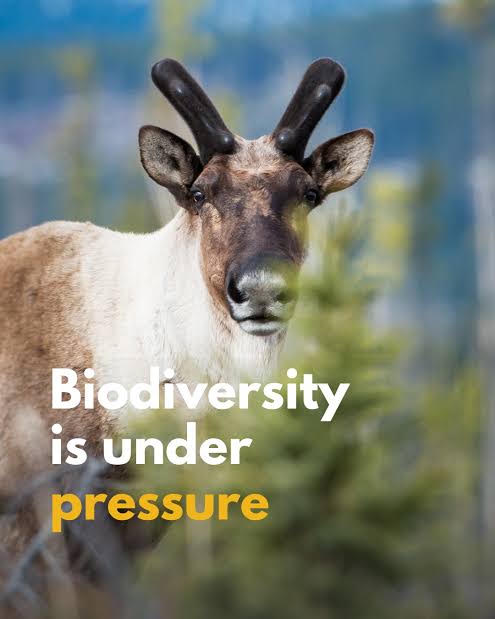
Biodiversity is easy to overlook until it disappears. It is the variety of life, from genes and species to entire ecosystems, and it quietly underpins everything from the food on our plates to the stability of our climate. Today, that foundation is under strain.
The Scale of the Problem
The 2019 IPBES global assessment estimated that around one million species face extinction, many within decades. WWF’s 2024 Living Planet Report found that monitored wildlife populations have declined by an average of 73% since 1970. These figures describe averages across populations, not a uniform collapse, but the direction is unmistakable.
What’s Driving the Decline
Scientists point to five main pressures, which often compound one another:
Land and sea use change: Conversion of forests, wetlands, and grasslands for agriculture and development remains the leading driver.
Overexploitation: Overfishing, hunting, and illegal wildlife trade push species past recovery thresholds.
Climate change: Shifting temperatures and rainfall are reshaping habitats faster than many species can adapt.
Pollution: Nutrient runoff, plastics, pesticides, and chemicals degrade soil, rivers, and oceans.
Invasive species: Non-native species outcompete or prey on local wildlife, especially on islands and in freshwater systems.
Why It Matters to Business and Society
Biodiversity loss is not only an environmental issue. It is an economic and security issue. The World Economic Forum has consistently ranked biodiversity loss and ecosystem collapse among the top global risks. Pollination, water purification, flood protection, soil fertility, and climate regulation are all “ecosystem services” that would be extraordinarily costly to replace.
Industries from agriculture and pharmaceuticals to insurance and tourism depend directly on healthy ecosystems. Supply chain disruption, crop failure, and rising resource costs are the financial face of ecological decline.
Signs of Progress
The picture is not hopeless. Several developments offer a path forward:
The Kunming-Montreal Global Biodiversity Framework set a goal to protect 30% of land and sea by 2030.
Disclosure frameworks such as the TNFD are helping companies measure and report nature-related risks.
Restoration works: Wetland recovery, rewilding, and community-led conservation have brought species back from the brink in many regions.
What Can Be Done
Effective action works at several levels:
Governments can protect critical habitats, reform harmful subsidies, and enforce environmental regulations.
Businesses can map their nature dependencies, clean up supply chains, and invest in restoration.
Individuals can make informed food and consumer choices, support local conservation, and back policies that value nature.
The Bottom Line
Biodiversity is not a luxury to be protected when convenient. It is core infrastructure for human wellbeing and prosperity. The next decade will determine whether we stabilize the natural systems we rely on or continue to erode them. The solutions exist. What is needed now is the will, and the investment, to apply them at scale.




Leave a comment