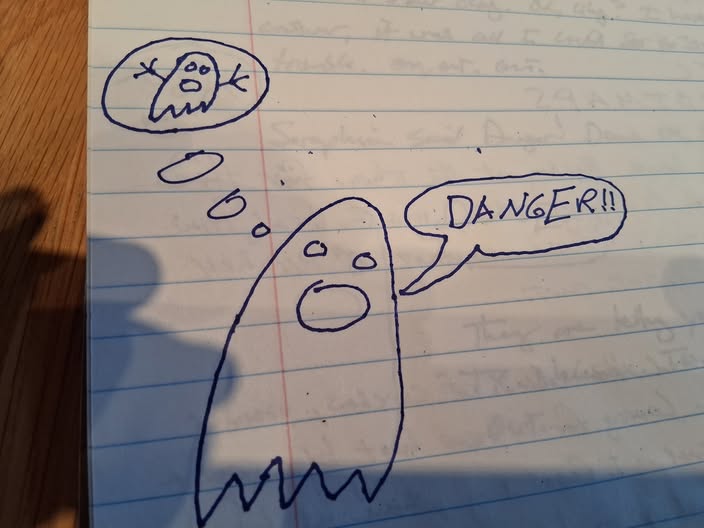
Danger is an unavoidable part of life. Every journey we take, career decision we make, relationship we build, or new opportunity we pursue involves some level of risk. The goal is not to eliminate danger completely—it is to understand risk, prepare intelligently, and make informed decisions without allowing fear to control our lives.
Understanding How We Perceive Risk
Human beings are not always good at judging danger objectively. Our minds tend to react strongly to dramatic and highly visible threats, such as plane crashes or natural disasters, while overlooking quieter risks that can affect us over time, such as poor sleep, unhealthy habits, financial instability, or neglecting important health checkups.
Learning to distinguish between perceived danger and actual risk is therefore an essential life skill.
Before making an important decision, ask yourself three simple questions:
How likely is this to happen?
How serious would the consequences be?
What can I reasonably do to reduce the risk?
These questions can turn fear into practical thinking.
Prepare, Don’t Panic
Good risk management is not about expecting the worst at every moment. It is about being prepared if something goes wrong.
Simple precautions can make a significant difference. Wearing a seatbelt, keeping important files backed up, maintaining an emergency fund, learning basic safety procedures, and having a plan for unexpected situations can transform uncertainty into something manageable.
Preparation gives us confidence because it replaces helplessness with options.
Not Every Fear Is a Danger
One of the most important distinctions we can make is between danger and discomfort.
Public speaking may make your heart race. Having a difficult conversation may feel intimidating. Starting a new career, meeting unfamiliar people, or launching a business may create anxiety.
But discomfort does not necessarily mean danger.
Sometimes, avoiding uncomfortable experiences creates greater long-term costs than facing them. Growth often requires us to step outside familiar territory while still understanding our boundaries.
Respect Genuine Threats
At the same time, confidence should never become recklessness.
Real dangers deserve respect. Ignoring warning signs, underestimating consequences, or taking unnecessary risks is not courage. True courage means recognizing danger and choosing to act wisely despite it.
The strongest approach is neither constant fear nor careless confidence—it is informed courage.
A Better Way to Live With Risk
Individuals and organizations that manage risk effectively tend to share the same mindset: they prepare for what could go wrong while continuing to work toward what could go right.
They plan for the worst, hope for the best, and remain flexible enough to adapt when circumstances change.
Risk will always be part of life. We cannot control everything that happens, but we can control how we prepare, how we respond, and how thoughtfully we make decisions.
Understanding danger does not mean living in fear. It means developing the wisdom to recognize genuine threats, reduce unnecessary risks, and keep moving forward with confidence.





Leave a Reply